Bison Kaalamaadan (2025) Movie ft. Rajisha, Dhruv, and Anupama
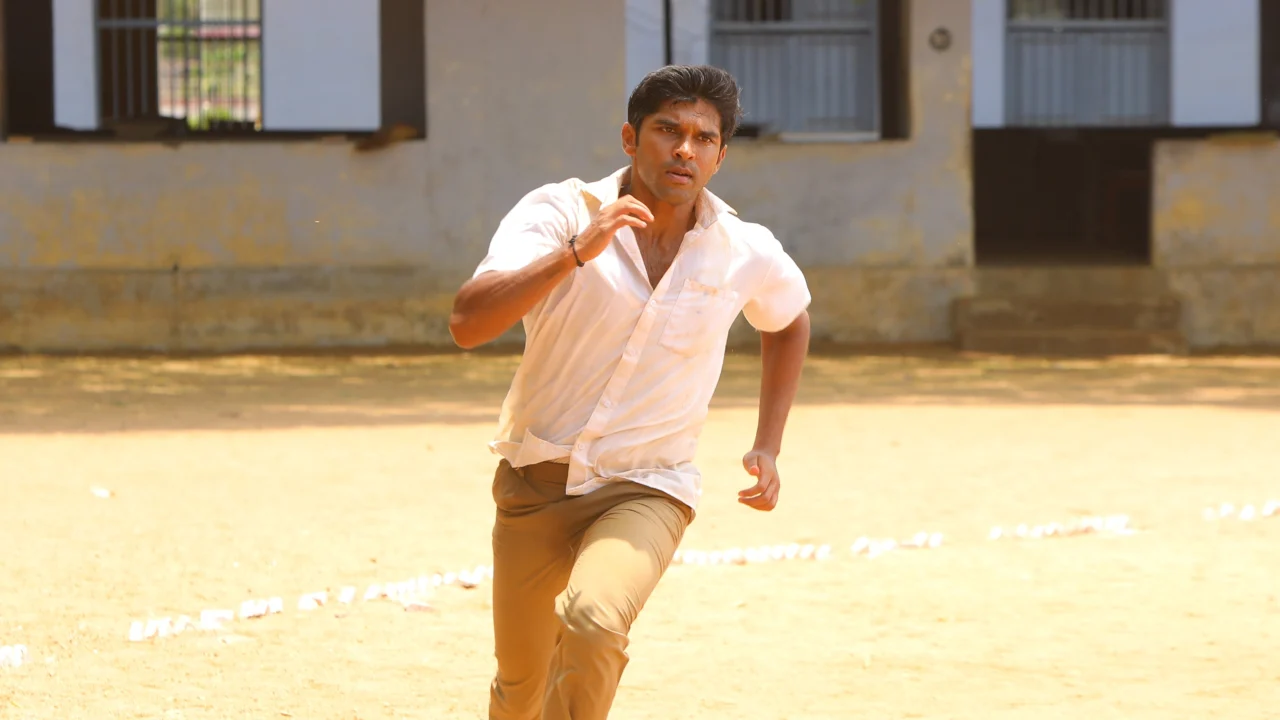
Bison Kaalamaadan arrived in theaters this Diwali with considerable buzz around Dhruv Vikram’s physical transformation and Mari Selvaraj’s return to direction. The Tamil sports drama runs for 2 hours 48 minutes and features Anupama Parameswaran, Pasupathy, Lal, Rajisha Vijayan, and others alongside Vikram.
Dhruv Vikram plays his third lead role here, and the preparation shows. Mari Selvaraj brings his distinctive voice to this project, produced jointly by Applause Entertainment and Neelam Studios with backing from Pa. Ranjith. The technical team includes cinematographer Ezhil Arasu K, music composer Nivas K. Prasanna, and editor Sakthi Thiru.
What Happens in the Film
A young man named Kitaan grows up in violence-torn southern Tamil Nadu. His dream is simple – become a kabaddi champion. Reality proves far more complicated. Caste barriers, communal hatred, and systematic oppression stand between him and success.
The film shows how Kitaan refuses to pick up weapons despite pressure from his surroundings. He chooses the kabaddi mat over street fights. Each match becomes more than sport – it’s his statement against a system designed to keep him down.
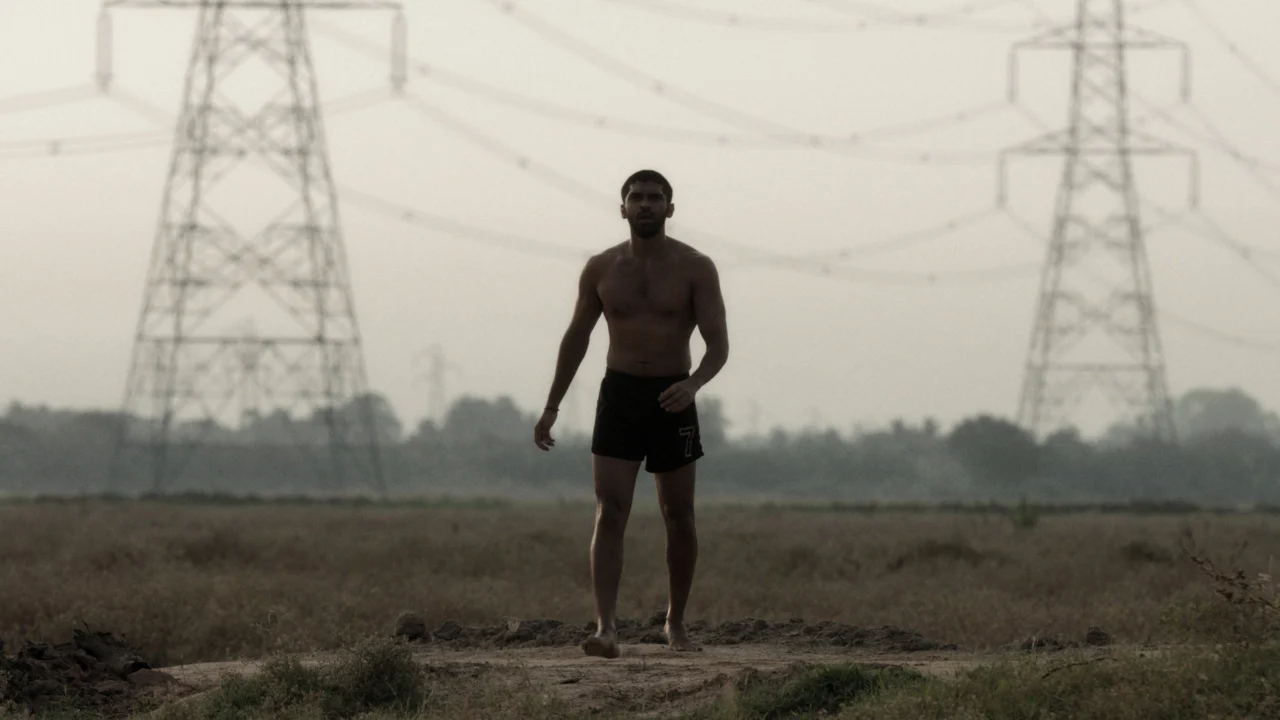
Dhruv Vikram Surprises Everyone
The actor trained for over two years to nail this part. His body language reflects genuine athletic ability. During kabaddi scenes, he moves with the confidence of someone who knows the sport inside out.
What struck me most was the emotional range. He doesn’t just play angry or determined – there’s vulnerability in his eyes when facing rejection, exhaustion after losses, and quiet pride in small victories. This performance puts him in a different league from his earlier work.
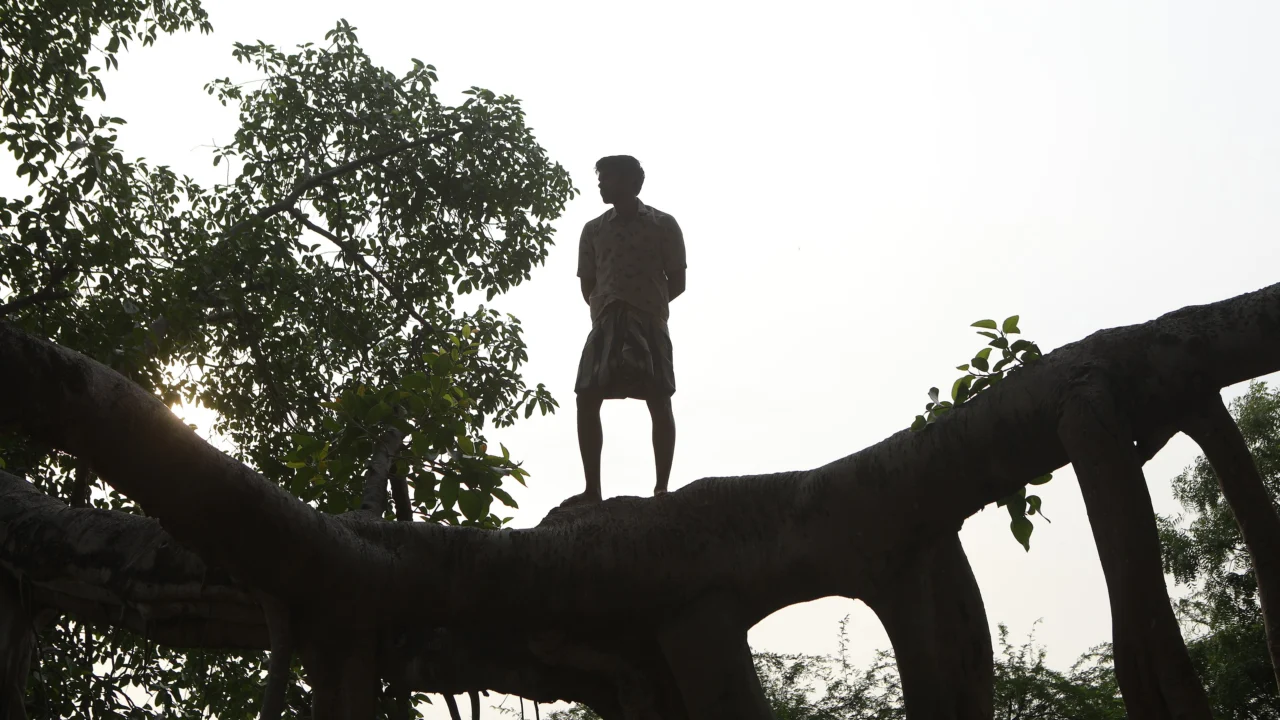
The Supporting Players Shine
Pasupathy brings gravitas without stealing scenes. His character provides wisdom and grounding. Rajisha Vijayan continues proving why she’s one of the most reliable actors around. Her dialogue delivery feels natural, never forced.
Anupama Parameswaran handles the female lead with warmth. Though her role could’ve been meatier, she creates genuine chemistry in her scenes. Lal and Ameer appear in parts that don’t fully utilize their range – a missed opportunity given their talent.
Technical Brilliance on Display
Ezhil Arasu K’s camera captures rural landscapes with remarkable intimacy. The red earth, flowing water, and open skies become characters themselves. Each frame breathes with authentic texture. You almost feel the dust and heat.
Nivas K. Prasanna delivers a score that knows when to speak and when to stay quiet. The five pre-release tracks already caught attention. During action sequences, the music pumps energy without becoming noise. Emotional moments get the space they deserve.
Second Half Saves the Day
The opening portions move slowly. Characters get introduced, conflicts get established, but momentum builds gradually. I found myself checking my watch around the 40-minute mark. Things feel repetitive until interval.
Everything changes post-break. The kabaddi matches intensify. Emotional confrontations land with real impact. Dialogues cut deeper. The climax delivers exactly what the setup promised – a satisfying, moving resolution. Those last 30 minutes justify the wait.
Problems That Can’t Be Ignored
Pacing remains the biggest issue. Nearly three hours is a lot to ask from audiences, especially when the first hour drags. Tighter editing would’ve helped immensely. The lip-sync problems distract repeatedly. You notice voices not matching mouth movements during important scenes. This technical flaw breaks immersion.
Mari Selvaraj’s focus on social commentary sometimes overshadows the sports angle. I wanted more kabaddi – training montages, strategy discussions, tournament pressure. The political themes, while important, dominate too much screen time. Anyone familiar with the director’s previous films will notice familiar patterns. The rural setting, caste focus, and visual style echo his earlier work. Fresh elements feel limited.
What Critics Are Saying
DT Next rated it 3/5, calling it worthwhile despite flaws. Only Kollywood praised the craftsmanship while noting it’s not Mari’s strongest effort. Premiere audiences responded positively on social media, particularly appreciating technical quality and kabaddi sequences.
Producer Sameer Nair himself labeled it powerful art. The cinematography earned universal praise from reviewers. Critics highlighted how kabaddi gets portrayed with both authenticity and excitement.
How Audiences Responded
Social media buzzed with reactions to Dhruv’s transformation. People discussed his dedication across platforms. The emotional scenes resonated strongly – many viewers admitted tearing up during key moments.
Families appreciated the festival release timing despite heavy themes. Young viewers connected with the underdog narrative. Conversations started around caste discrimination and sports as an equalizer. Theater attendance stayed strong through weekdays in several locations.
My Honest Assessment
This film tests patience but rewards it. The slow start and technical hiccups frustrate. But powerful performances and stunning visuals compensate. Mari Selvaraj’s message about dignity through sport comes through clearly.
For me, the second half made the journey worthwhile. Dhruv Vikram proves himself capable of carrying demanding roles. The kabaddi sequences deliver genuine thrills. Ezhil’s cinematography alone justifies the ticket price. Nivas’ music enhances rather than distracts.
Yes, it feels familiar if you’ve seen Mari’s earlier work. Yes, it needed trimming. But the emotional core holds strong. The film asks important questions about choice, identity, and breaking cycles of violence.
I’d recommend this for viewers seeking substance over style. Those wanting quick entertainment might struggle with the runtime. But anyone appreciating socially conscious storytelling will find value here. It’s imperfect yet impactful cinema.
Rating: 3.5/5