Dashavatar (2025) Review: Why Dilip Prabhavalkar’s Folk Theatre Drama Wins Hearts Despite Its Flaws
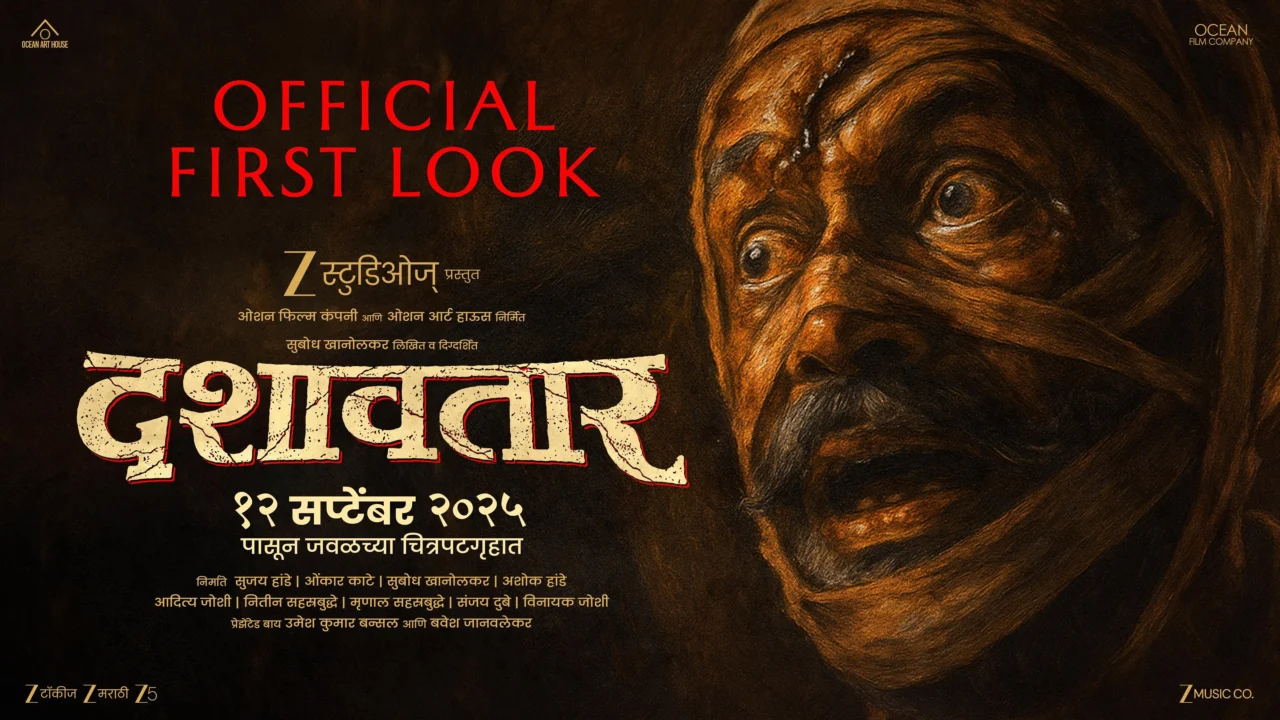
Subodh Khanolkar brings Maharashtra’s age-old Dashavatar folk tradition to theaters with his new film. This Marathi drama features Dilip Prabhavalkar leading a strong cast in a story about preserving cultural roots.
The movie opened in September 2025 with Mahesh Manjrekar, Siddharth Menon, and Priyadarshini Indalkar in key roles. It explores how traditional art forms struggle to survive in today’s changing world.
The Story Unfolds
The film follows Babuli, an elderly theatre performer who has spent his life perfecting the Dashavatar art form. Set in a quiet Konkan village, his world changes when family pressures and modern challenges test his dedication.
What makes this story special is how it shows the ten avatars of Vishnu through live performances. Each avatar represents different struggles that Babuli faces in his personal journey. The village setting adds authenticity to every scene.
I found the storytelling approach interesting in the beginning. However, the film loses its grip halfway through. The initial promise doesn’t translate into a satisfying complete experience.
Performance That Stands Out
Dilip Prabhavalkar carries this film on his shoulders with remarkable skill. His portrayal of Babuli feels genuine and heartfelt. You can see years of experience in every expression and gesture he makes.
Mahesh Manjrekar brings his usual intensity to his role. Though his screen time is limited, he makes every moment count. The chemistry between the main characters feels natural and unforced.
The supporting actors do their job well without stealing focus. Bharat Jadhav and Abhinay Berde add humor and warmth. However, some characters feel underdeveloped and could have been written better.
Visual Storytelling Success
The film’s biggest victory lies in capturing Konkan’s natural beauty. Every frame showcases lush green landscapes and traditional architecture. The costume design stays true to the region’s cultural identity.
I was impressed by how the folk performances were shot. The camera work during these sequences brings you close to the action. You almost feel like you’re sitting in the audience watching a live show.
The production design deserves special mention for creating authentic village environments. Nothing feels artificial or staged. This attention to detail helps the story feel more believable.
Where It Falls Short
The main problem starts appearing in the second half. What begins as an engaging cultural journey turns into a slow-paced drama. Some scenes drag on longer than necessary, testing viewer patience.
The screenplay tries to cover too many themes at once. Environmental concerns, family conflicts, and cultural preservation all compete for attention. This scattered approach weakens the overall impact.
I wished the director had focused more on character development. Several interesting personalities are introduced but never fully explored. The story could have benefited from a tighter narrative structure.
Critical Reception
Film critics have given mixed responses to this cultural drama. Most praise the authentic representation of Konkan traditions and Prabhavalkar’s committed performance. The visual appeal has won universal appreciation.
Times of India rated it three stars, highlighting its cultural value while noting narrative weaknesses. Several reviewers mentioned the pacing issues that affect the viewing experience.
Regional film critics have been more positive, appreciating the effort to showcase dying art forms. They see it as an important step in preserving cultural heritage through cinema.
Audience Verdict
Movie-going audiences have shown good response to this cultural offering. IMDb users have rated it positively, with many praising the authentic folk theatre sequences. Family audiences seem to connect well with its values.
Marathi cinema lovers appreciate seeing their traditions on the big screen. The film has started important conversations about preserving regional art forms. Social media discussions show genuine interest in the subject matter.
However, general audiences expecting typical entertainment might find it slow. The film works better for viewers who enjoy thoughtful, culture-focused cinema over fast-paced commercial entertainers.
Final Word
Dashavatar succeeds as a cultural document more than a complete entertainment package. The film’s heart lies in the right place, even if the execution has flaws.
Dilip Prabhavalkar’s masterful performance makes up for many shortcomings. His dedication to the role shows in every scene. The film becomes a fitting tribute to traditional artists everywhere.
While it may not satisfy all viewers, those interested in regional culture will find value. It’s a sincere attempt to bridge traditional art with modern storytelling techniques.
My Rating: 3/5