Hari Hara Veera Mallu Review: Why Pawan Kalyan’s Period Drama Fails Despite Strong Performance
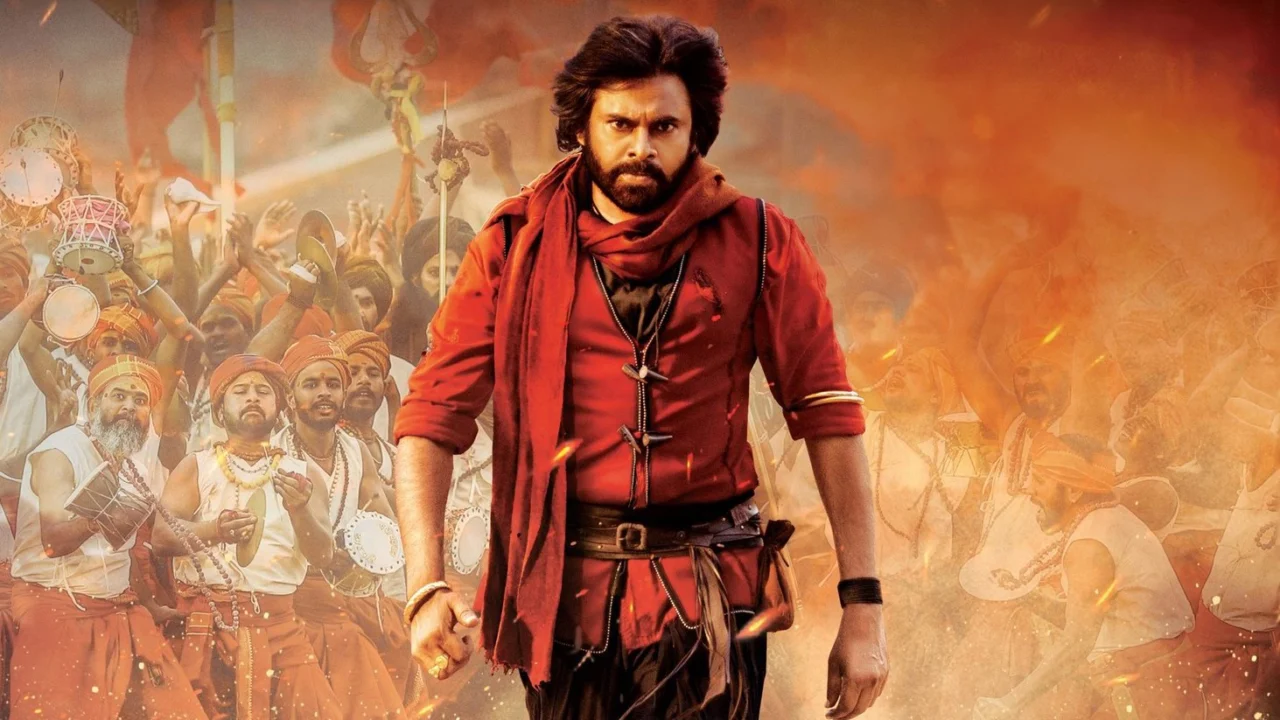
Power Star Pawan Kalyan steps into the shoes of a legendary warrior in this period action drama that tries to recreate 17th century India. Directors Jyothi Krishna and Krish Jagarlamudi have crafted a story about rebellion against Mughal rule, featuring Bobby Deol, Nidhhi Agerwal, and Sathyaraj in supporting roles.
The film takes us back to the 1650s when the Mughal Empire ruled with an iron fist. Veera Mallu emerges as a folk hero who dares to challenge the mighty Aurangzeb and his oppressive regime through daring missions and strategic warfare.
What promised to be a grand historical spectacle with M.M. Keeravani’s music turns into a mixed bag of brilliant moments and disappointing execution. The film attempts to tell the story of India’s first organized revolt against foreign rule.
The movie follows our protagonist as he assembles a team of skilled warriors. Their mission: infiltrate the heavily guarded Mughal palace and steal the precious Koh-i-Noor diamond while inspiring a nationwide rebellion.
Story That Promises More Than It Delivers
The screenplay opens with establishing Veera Mallu as a fearless leader who fights for the common people. His character draws inspiration from legendary folk heroes who stood against tyranny and oppression.
I found the first half engaging as it builds the world and introduces key characters. The story moves at a decent pace, showing how our hero recruits his team members with unique skills.
The heist element adds an interesting layer to the traditional period drama formula. Watching the team plan their impossible mission creates genuine excitement and maintains viewer interest throughout initial sequences.
However, the second half loses steam significantly. I noticed the story becomes repetitive and drags unnecessarily. The writers seem to run out of fresh ideas after the interval.
Performances That Save the Day
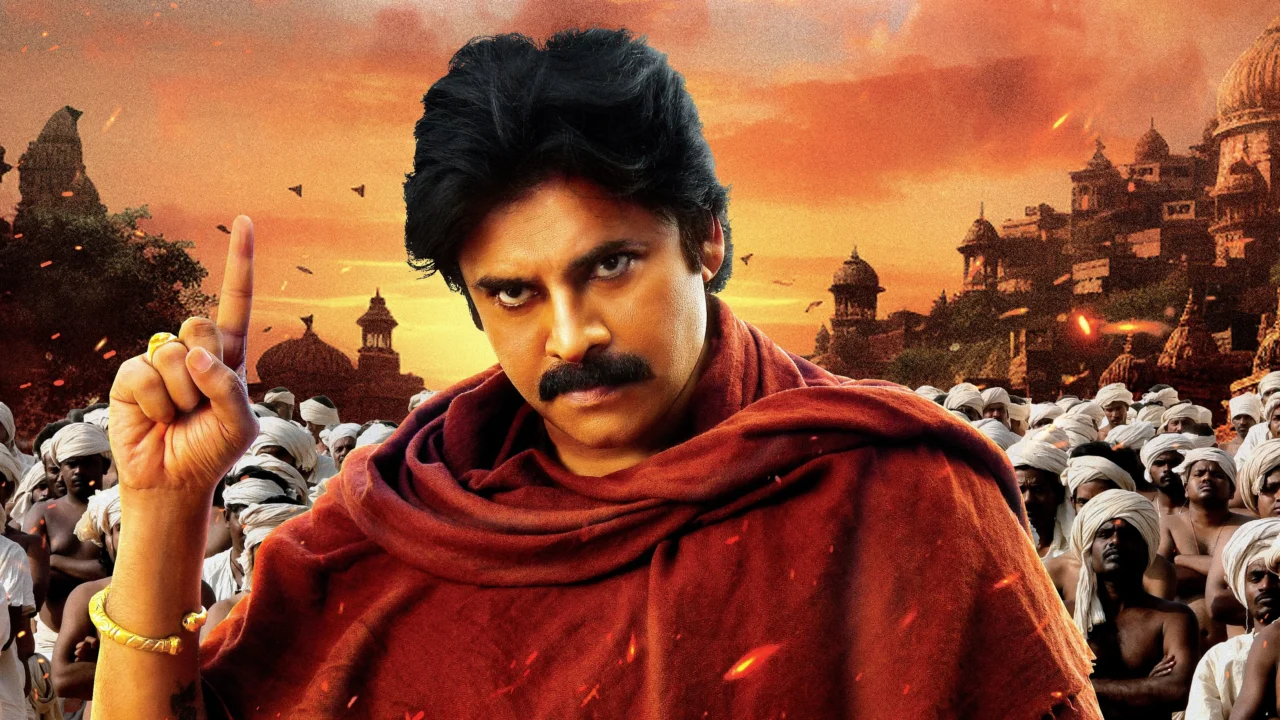
Pawan Kalyan brings his A-game to this challenging role that demands both physical presence and emotional depth. His portrayal of the warrior-leader feels authentic and connects with the character’s internal struggles.
I was particularly impressed by his action sequences, which feel raw and powerful. He carries himself with the dignity befitting a period character while maintaining his natural screen charisma.
Bobby Deol surprises as the ruthless Aurangzeb, bringing menace and authority to every scene he appears in. His screen presence adds weight to the antagonist’s role despite limited screen time.
Sathyaraj delivers what we expect from the veteran actor – a solid, dependable performance. His experience shows in how he elevates even ordinary dialogue through his natural acting style.
Nidhhi Agerwal looks beautiful in period costumes but her character feels underdeveloped. The script doesn’t give her enough substantial scenes to showcase her acting abilities effectively.
Technical Aspects: The Film’s Achilles Heel
When CGI Becomes a Distraction
The biggest letdown comes from the visual effects department. Scenes featuring computer-generated animals look unconvincing and take you out of the movie experience completely.
I found myself cringing during several CGI-heavy sequences. For a film with such grand ambitions, the poor quality visual effects feel like a betrayal of audience trust.
The color correction appears inconsistent throughout different scenes. Some portions look vibrant and rich while others appear washed out or artificially brightened.
Battle sequences suffer the most from these technical shortcomings. What should have been the film’s highlight moments become its weakest links due to subpar execution.
Music That Almost Works
Keeravani’s background score does justice to the film’s emotional core. His orchestral arrangements during key dramatic moments create the right atmosphere and elevate the viewing experience.
The songs, however, feel forgettable. None of the musical numbers leave a lasting impression or become memorable enough to hum after leaving the theater.
I noticed the background music works better than the actual songs. The instrumental pieces during action and emotional scenes show Keeravani’s talent more effectively than the soundtrack numbers.
The sound mixing needs improvement as dialogue often gets drowned by the loud background score. This becomes particularly problematic during important conversational scenes.
Direction: Ambition Versus Execution
The directors show clear vision for what they wanted to achieve with this historical drama. Their ambition to create a pan-Indian spectacle deserves recognition and appreciation.
Unfortunately, execution falls short of their grand vision. The film feels like it was made by committee rather than having a single creative voice guiding the narrative.
I observed that the pacing becomes uneven especially in the second half. Scenes that should move quickly drag on while important character moments feel rushed.
The tone shifts awkwardly between serious historical drama and commercial entertainment. This inconsistency creates confusion about what kind of film the makers actually wanted to create.
What Works in This Historical Drama
Pawan Kalyan’s dedication to his character shines through every scene. His physical transformation and commitment to the role demonstrate professional excellence and star power.
The period setting creates visual appeal despite technical limitations. Costume design and set decoration transport viewers to the Mughal era effectively.
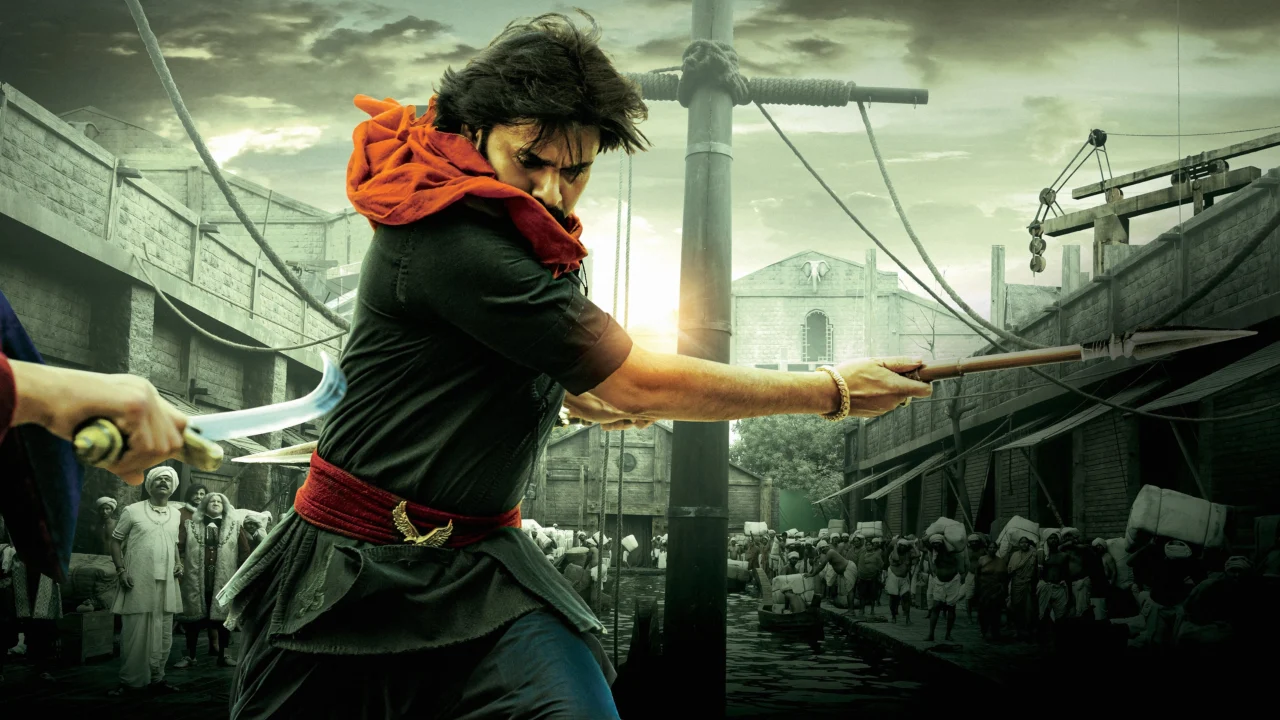
Action choreography in certain sequences delivers the excitement promised by the trailer. Sword fighting scenes showcase impressive stunt work and coordination.
The first half maintains interest through steady pacing and character development. Initial establishment scenes work well in drawing viewers into the story world.
Where the Film Stumbles
Poor visual effects become a constant distraction throughout the movie. The technical team’s inability to deliver quality CGI severely hampers the overall viewing experience.
Screenplay problems in the second half make the film feel unnecessarily long. The story loses focus and meanders without clear direction or purpose.
Character development for supporting cast feels incomplete. Several important characters remain one-dimensional despite having talented actors portraying them.
The lack of memorable songs from Keeravani feels surprising given his reputation. The soundtrack fails to create the emotional connection expected from his compositions.
Critical Reception and Audience Response
Professional film critics have been harsh in their assessment of this period drama. Most reviews highlight the disconnect between ambition and execution that plagued the production.
Audience reactions remain divided with Pawan Kalyan fans appreciating his performance while others criticize the technical aspects. Social media buzzes with mixed opinions about the film’s merits.
Box office numbers reflect the lukewarm critical reception. Despite the star power, the film struggled to meet commercial expectations in its opening week.
Many viewers expected a polished historical epic but received a film that feels rushed in post-production. The disappointment stems from unfulfilled potential rather than complete failure.
My Final Take
Hari Hara Veera Mallu represents a missed opportunity to create something truly special in Indian cinema. The raw materials were there – great star power, interesting historical setting, and talented technical crew.
What we get instead is a film that shows flashes of brilliance but never sustains that quality throughout its runtime. It’s particularly frustrating because you can see glimpses of the masterpiece it could have been.
For Pawan Kalyan enthusiasts, there’s enough here to appreciate their favorite star’s performance. Everyone else might find the technical shortcomings too distracting to enjoy the good parts fully.
I wish the makers had taken more time in post-production to fix the obvious problems. With better visual effects and tighter editing, this could have been a memorable historical drama.
Rating: 2.5/5