Thamma (2025) Movie ft. Nawazuddin, Rashmika, and Ayushmann
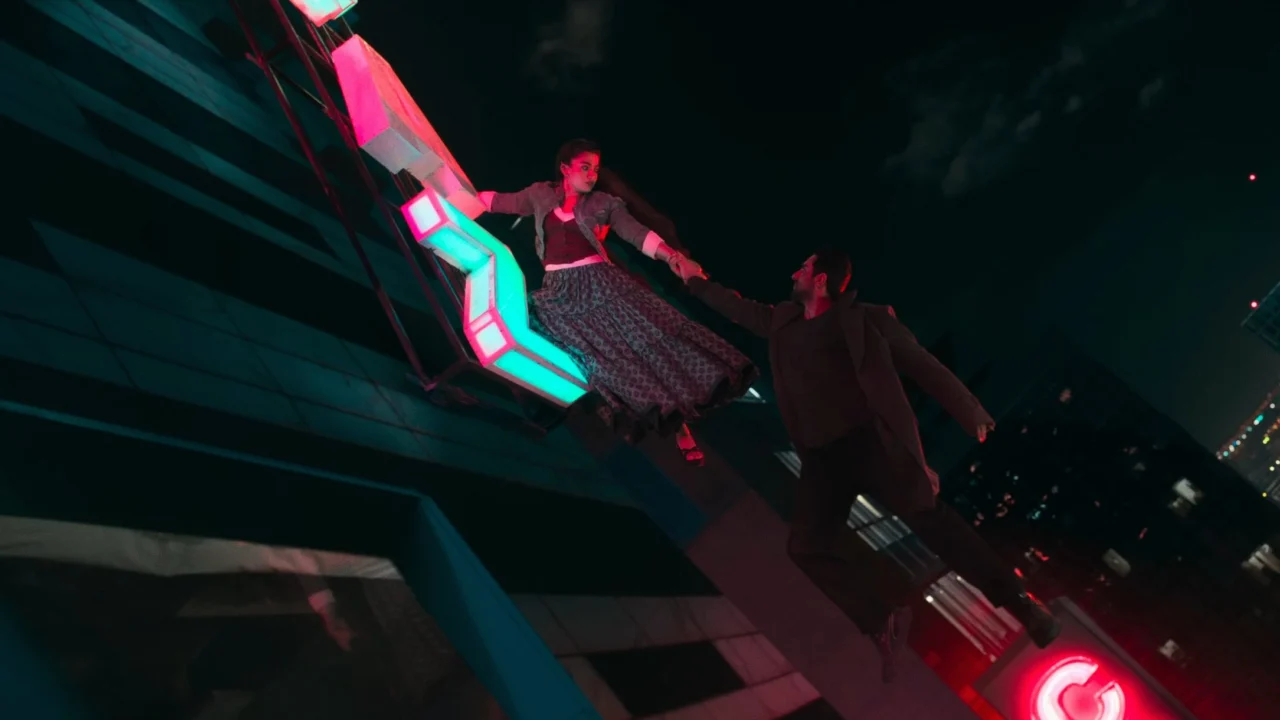
Maddock Films takes a gamble with its latest offering, bringing Ayushmann Khurrana and Rashmika Mandanna together for the first time. Aditya Sarpotdar helms this vampire tale that pushes the boundaries of what we’ve seen in this universe.
Releasing on October 21, 2025 during the Diwali weekend, this Rs 150 crore production tries to juggle romance, mythology, and horror. After watching it, I’d say it succeeds more often than it fails, though not without stumbling along the way.
Breaking Down the Plot
Ayushmann plays Alok, a regular guy researching old legends who gets pulled into a world he never knew existed. One moment he’s living his normal life, the next he’s dealing with fangs and supernatural abilities. The transformation isn’t just physical—it changes everything about who he thought he was.
Enter Tadaka, brought to life by Rashmika with just the right mix of mystery and strength. She’s not your damsel in distress but someone who’s been navigating this world far longer than Alok. Their dynamic forms the emotional center as they face Yakshasan, Nawazuddin’s character who represents everything dangerous about unchecked power.
What makes the storytelling interesting is how it weaves between present-day Delhi and the ancient city of Vijayanagar. This isn’t just for visual variety—the past directly impacts what’s happening now. The film shows us how these Betaals came to be, creatures meant to protect humanity who ended up causing the very problems they were supposed to prevent.
Performances That Land
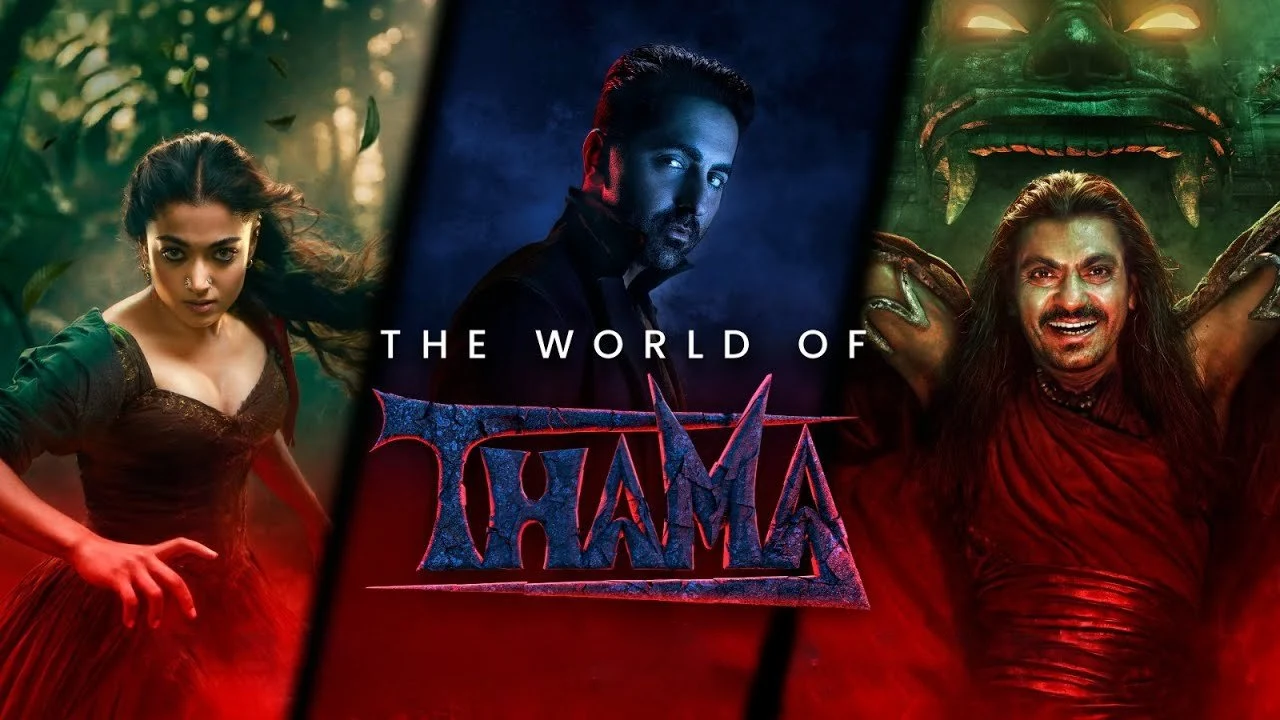
I’ve always admired Ayushmann’s ability to find humor in unusual situations, and here he doesn’t disappoint. Whether he’s cracking jokes about his dietary changes or grappling with his new reality, he keeps you invested. The vulnerability he brings to certain scenes really works, making you care about what happens to this character.
Rashmika surprises in a good way. Playing Tadaka demands presence, and she delivers. Watch her in the dinner scene with Alok’s family—she balances the supernatural elements with grounded emotions beautifully. Her action sequences don’t feel forced, and the chemistry she shares with Ayushmann develops naturally through the runtime.
Paresh Rawal does what he does best—timing his comic beats perfectly while adding emotional depth. As Alok’s father, he represents the normal world reacting to the impossible. Nawazuddin brings intensity to his villain role, though I wish the script had given him more layers to work with. Sathyaraj’s Elvis character connects dots between films, setting up future installments cleverly.
Where It Shines
The boldest move here is grounding everything in Indian folklore. Instead of copying Western vampire stories, the writers pulled from Vikram-Betaal tales and reimagined them for today’s audience. This cultural specificity gives the film an identity separate from what Hollywood has done with similar material.
For those following the Maddock universe, this film rewards your attention. References to earlier movies aren’t just thrown in randomly—they build toward something larger. When a certain character from Stree appears, it’s not fan service but story progression. The Varun Dhawan moment got applause at my screening, and rightfully so.
Sarpotdar knows how to stage a scene. The sequence where Tadaka makes her entrance left the theater buzzing. He understands that mixing genres requires balance—too much comedy kills the tension, too much horror loses the lighter touch. Most times, he gets this balance right. The interval arrives at exactly the moment you need it, leaving you curious about what comes next.
What Doesn’t Work
Here’s where I have to be honest—the film rushes through Alok’s setup. We barely understand his life before everything changes. Making him a journalist feels like an afterthought that adds nothing substantial. More time spent establishing who he is would have made his transformation more impactful.
The second half drags where the first half flows. After building momentum, the film loses its grip on pacing. Scenes that should move quickly linger, and the runtime starts to feel noticeable. The climactic battle, while visually competent, doesn’t deliver the punch you expect after all that build-up. Previous Maddock films stuck their landings better.
Comparing it to Lokah Chapter One: Chandra, which also dealt with vampire mythology this year, that film felt more cohesive in its vision. Thamma tries balancing too many elements and occasionally drops one or two. The tonal shifts don’t always work smoothly—you’re laughing one moment and expected to feel tension the next, but the transition feels jarring sometimes.
Technical Aspects
Sachin-Jigar’s soundtrack has moments but lacks that one track everyone will be humming weeks later. ‘Tum Mere Na Huye’ during the credits is lovely, and ‘Poison Baby’ has a nice groove, but nothing reaches the iconic status of earlier Maddock songs. Their background score, however, does heavy lifting throughout, especially in supernatural sequences.
The visual effects deserve credit. The creature work looks expensive and convincing, not the cheap CGI that plagues many Indian films. Cinematography captures both time periods distinctly—modern Delhi feels vibrant while ancient Vijayanagar has the mystical quality it needs. Action choreography keeps energy levels high, and the production design team recreates period settings with attention to detail.
Editing becomes an issue mainly in the second half. A tighter cut would have helped maintain the momentum built earlier. Some scenes could have been trimmed without losing story elements.
Critical Reception and Audience Talk
Taran Adarsh praised it with 4 stars, calling out how it offers something new for Hindi cinema audiences. He highlighted Sarpotdar’s direction and the fresh take on folklore. Bollywood Hungama matched that rating, emphasizing how it keeps the Maddock franchise relevant and entertaining.
On social media, reactions split between those who loved the ambition and those who felt it didn’t quite come together. Many praised Ayushmann’s performance and called it perfect Diwali entertainment. One viewer wrote about how the direction keeps you hooked despite flaws. But criticism also emerged—some found the humor repetitive, others questioned whether the film adds enough new to the universe formula.
This division in opinion tells me the film takes risks that won’t please everyone. If you want exactly what previous Maddock films delivered, you might feel confused. If you’re open to them trying something different, even imperfectly, you’ll find things to appreciate.
My Take
Walking out of the theater, I felt satisfied but not blown away. Thamma brings Indian vampire lore to mainstream screens, which counts for something. Ayushmann’s committed performance and the way the film connects to the larger universe make it worthwhile. It’s solid Diwali entertainment that families can enjoy together.
But I can’t ignore the pacing issues and that the climax undersells what came before. The film works best when embracing the romance and comedy, less so when trying to be a proper horror film. If you’ve enjoyed this franchise and Ayushmann’s previous work, you’ll find enough here to justify the ticket price.
The technical work is professional, the performances mostly land, but the screenplay needed another pass. It shows ambition without fully achieving it. Still, for a festive watch that offers something different from typical Bollywood fare, Thamma delivers a reasonably good time with genuine entertainment value scattered throughout.
Rating: 3.5/5