Heat (1995) Review: Why Michael Mann's 4K Restoration Is the Year's Most Important Re-release
This review reflects the author's personal opinion. Trumpwatcher is an independent film publication, not affiliated with any studio, streamer, or festival. We do not cover political content.
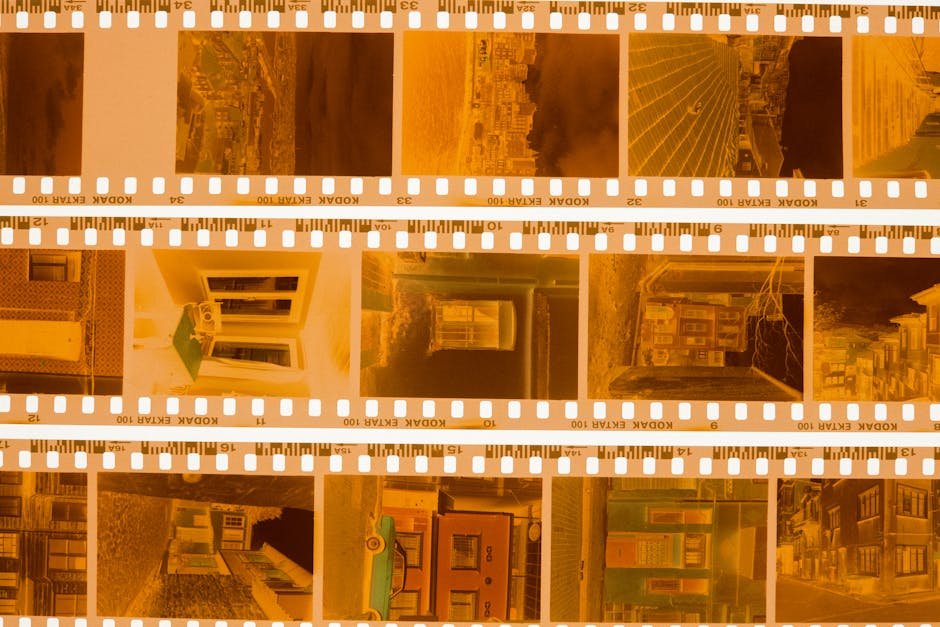
A serious heat 1995 review needs to acknowledge two things at the outset. First: this is a film many of us think we have seen, because the diner scene and the downtown bank shootout have been clipped, quoted, and referenced for thirty years. Second: most of us have not seen it. We have seen a memory of it, compressed by VHS, recompressed by early-DVD home theaters, recompressed again by streaming bit-rates that strip Dante Spinotti's sodium-vapor lensing of its actual color information. The 4K restoration that has been touring boutique theaters and arriving on premium home releases is closer to the print Michael Mann actually delivered in 1995 than anything most of the audience has watched in two decades. The film is better than the memory.
If you are deciding whether to spend the hundred and seventy minutes: yes, and not on a phone. This is a film built for screen size and a controlled audio environment. Even on a competent television with decent speakers, the restoration rewards the effort.
What Heat gets right
Mann's deepest decision — the one most thirty-year-later heat 1995 review pieces still underrate — is that he refuses to choose between Vincent Hanna (Pacino) and Neil McCauley (De Niro) as the protagonist. The screenplay structures the film as parallel biographies, then meets the two men only twice on screen, and the second meeting is the shootout that ends one of them. The radical structural move is the first meeting — the diner scene — which is shot in two over-the-shoulder masters held for almost six minutes apiece, with the cuts hidden in dialogue rhythm rather than performance beats. Mann lets the camera stay on the listener as long as it stayed on the speaker. The effect is that we feel like a third person sitting at the booth, and the audience commitment that produces carries the entire third act.
The specifics
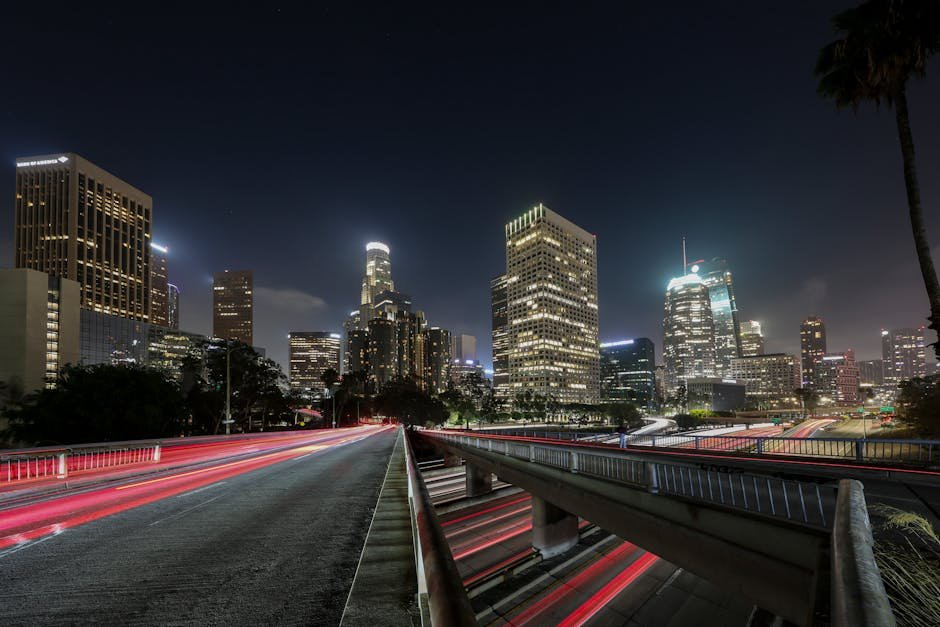
The downtown bank robbery and shootout — eleven minutes of screen time, somewhere in the third act — was filmed on real streets with live shotgun blanks, and Mann insisted on practical reverberation rather than added Foley. The sound design is what makes the sequence still work three decades later: a foreign film school could teach a year-long course just on the acoustic geography of that scene. Wide shots resolve to medium shots not by cutting but by movement; the audience never loses orientation; the geography of the intersection is established so cleanly that you can map it from memory after one viewing.
Spoilers, including the ending, are kept to the final section of this review and clearly labeled. Read on freely until then.
Where the film loses ground
It is long. Two hours and fifty minutes of screen time is a lot of film to ask any audience to sit through, and the female characters — Diane Venora's Justine, Amy Brenneman's Eady, Ashley Judd's Charlene — are written with less interiority than the men. Venora gets the strongest single scene (the rooftop confrontation with Pacino, played almost entirely in two-shot at a distance that exposes Pacino's incipient theatrical mode) but the screenplay never gives any of the three women a setpiece of their own. Watching it in 2025, this is the part that feels most clearly of its decade.
A second observation: the Trevor Jones / Elliot Goldenthal score is uneven. Jones's electronic textures are still the right call for the cool-blue procedural sequences, but Goldenthal's brass-heavy closing cues sometimes overplay material that the staging and editing have already delivered. The restoration's remastered audio makes the unevenness more audible than it was on the original release.
How this film sits in its genre
The line from Heat runs forward to Christopher Nolan's The Dark Knight (2008) — Nolan has said as much in published interviews — and backward to Jean-Pierre Melville's Le Cercle Rouge (1970), the European crime opera Mann openly studied. Mann's TV-movie L.A. Takedown (1989) is the rougher version of the same story; watching the two back-to-back is the cleanest way to understand how a director's idea grows from a sketch into a fully composed work over six years.
For viewers who want the deepest possible introduction to crime-procedural craft, our recent piece on Edward Berger's Conclave covers a different procedural rhythm built on similar discipline. The slow-burn guide situates Mann's pacing in a wider tradition.
Performances worth singling out
De Niro and Pacino get the marketing, and both are doing real work — De Niro's stillness is the more impressive of the two, a refusal to deliver the actor's signature tics that pays off scene by scene — but the catalog-reviewer pick has to be Tom Sizemore as Michael Cheritto. Sizemore is given exactly one beat to define the character (his "I got a friend who tells me business is being good for everybody") and uses it to build a man whose entire arc is implied without ever being shown. By the time he is killed in the bank shootout, the audience feels the loss of a person, not a plot piece.
Val Kilmer's Chris Shiherlis is the film's most underrated performance. Kilmer plays Chris with a low-watt charm that masks his absolute readiness for violence, and the screenplay rewards him with the only major character arc that does not end in death: Chris escapes. The ambiguity of that escape — the wordless exchange with his wife from across a parking lot — is one of the most quietly written endings in 1990s American crime cinema.
A quick note on craft
Spinotti's cinematography is the part of the film the 4K restoration most clearly recovers. The night-exterior color grade — sodium-vapor amber rolling into deep cyan shadow — was always part of the design, but most home-video releases crushed the cyan into flat black. The restored print restores the gradient, and the city itself becomes a character again. A heat 1995 review that does not mention Spinotti by name is missing the film.
SPOILERS AHEAD — read only if you have watched the film
The ending — Hanna catching McCauley at the airport's edge, the hand-clasp as McCauley dies — is one of the most discussed in modern American cinema, and it remains the right call thirty years later. The film has been telling us from the diner scene that these two men are mirrored not metaphorically but operationally; the closing hand-clasp is the only ending that respects what the structure has built. A more conventional cops-versus-robbers film would have given Hanna a moral victory; Mann gives him only the recognition that he has caught the man whose life most closely resembles his own.
On a rewatch with the 4K, the scene that hits hardest is no longer the bank shootout. It is the sequence inside Chris's apartment after the warehouse trap fails: Kilmer alone, bleeding, calling his wife from a payphone, the camera holding on his face as he registers that everything is over. The restoration recovers the green tint Spinotti added to the apartment's interior; the green is the color of the lost civilian life Chris will never re-enter. The whole tragedy of the film is in that tint.
The verdict
Trumpwatcher Score: 4.7 / 5
Rating: 4.7/5
Watch the 4K restoration in a controlled environment — a boutique cinema if one is running it, or a competent home setup with the lights down. This is one of the rare cases where the restoration is not just preservation but recovery; the film looks and sounds materially different from the version most viewers carry in their heads. Pair it with Melville's Le Cercle Rouge for the European antecedent, or with Mann's own L.A. Takedown if you can find a clean copy, to see the same director working out the same idea in two different keys.
This heat 1995 review sits in our broader reviews archive; our verdict methodology is documented at how we score films.
This article is the author's independent critical opinion and does not constitute professional advice. Trumpwatcher is not affiliated with, sponsored by, or endorsed by any film studio, distributor, streaming service, festival, political party, or campaign. All trademarks, titles, and proper names referenced belong to their respective owners and are used for editorial identification only. We do not host, link to, or condone unauthorized copies of any film. Always watch films through official theatrical or licensed streaming channels.